
Florida's Curtainwall Contractor.
Precision-Built.
Slab-to-slab glazing systems for commercial, healthcare, and multifamily projects across Florida. Stick-built, semi-unitized, and window wall. Engineered to Florida Building Code. Delivered on schedule.
What Curtainwall Is -
and When It's Specified.
Curtainwall is a non-structural exterior cladding system that spans continuously from floor slab to floor slab - or from roof to grade on a single-story structure - without being supported by the floors between. It transfers wind loads, gravity loads, and thermal movement back to the building's primary structure through engineered anchor systems at each floor level.
Architects specify curtainwall when the design calls for continuous, uninterrupted glass facades across multiple floors; when thermal performance targets require a thermally broken framing system; when the structural frame cannot provide the intermediate support points that a window wall or storefront system requires; or when the aesthetic demands a flush, slab-to-slab glass elevation.
Curtainwall is structurally and mechanically distinct from storefront. Storefront is a lighter system designed to fill a single-story opening between structural elements. Window wall sits in a structural opening between slabs. Curtainwall spans across slabs, supported only by its own anchoring system. When architects and GCs use these terms interchangeably, scoping errors and budget surprises follow.
ACG specifies and installs all three systems - and provides written scope clarifications when plans are unclear about which system was intended.
When plans specify "curtain wall" but show conditions suited for window wall - or vice versa - ACG flags it in the scope and provides written alternatives with pricing. No surprises mid-project.
Why Curtainwall in Florida
Is Different.
Curtainwall installation in Florida involves a layer of code compliance, engineering documentation, and product approval requirements that don't exist in most other states. Every curtainwall system installed in Florida must carry a Florida Product Approval - a state-administered certification that validates the system's structural performance under the design wind pressures for the specific building's location, height, and coastal exposure category.
In Miami-Dade and Broward counties - the High-Velocity Hurricane Zone (HVHZ) - curtainwall must also comply with Miami-Dade Notice of Acceptance (NOA) requirements. Miami-Dade's testing and approval protocol is more stringent than the base Florida code, and not all curtainwall systems that carry a Florida Product Approval also carry an NOA. GCs who assume they're compliant based on the Florida approval alone risk a failed inspection.
Beyond product approvals, Florida's coastal exposure conditions create real engineering challenges: wind pressures at upper floors of a beachfront mid-rise are dramatically higher than inland structures of the same height. Thermal movement in Florida's climate requires properly engineered pressure caps and glazing bite dimensions. Salt air corrosion in coastal zones affects hardware specifications and finish requirements.
Florida curtainwall is engineered per ASCE 7 and Florida Building Code Section 1609. ACG's engineering submittals include tributary area calculations, component and cladding pressure diagrams, and connection capacity documentation for every anchor point.
Exposure Category C and D classifications raise wind pressures significantly. Within 1 mile of the coastline, additional NOA requirements and finish specifications apply. ACG verifies exposure classification before finalizing system recommendations.
All curtainwall in HVHZ must carry a Miami-Dade County-issued Notice of Acceptance. ACG specifies only NOA-compliant systems for HVHZ projects and provides the full NOA documentation in the submittal package.
Curtainwall Systems
ACG Installs.
ACG installs stick-built curtainwall, semi-unitized curtainwall, and window wall configurations. System selection is driven by the architect's specification, Florida code requirements, the building's structural conditions, and project budget - not by what's easiest for us to source.
Primary curtainwall systems ACG delivers on Florida projects include PGT and Euro-Wall glazing systems. Past project scopes have also included specialty systems selected to match the architect's specification. We've also delivered window wall systems on multifamily and mixed-use projects through multiple manufacturers.
Three Offices.
All of Florida.
ACG delivers curtainwall across all of Florida from three offices. Local crews mean local knowledge of each county's inspection requirements, structural frame conditions, and sequencing logistics. No out-of-state subs making one-time visits.
Palm Beach County
Broward County
Miami-Dade (HVHZ)
Treasure Coast
Collier County
Lee County
Cape Coral / Ft. Myers
Sarasota / Charlotte
Hillsborough County
Pinellas / Pasco
Central Florida / Orlando
North Florida
Curtainwall on the Ground.
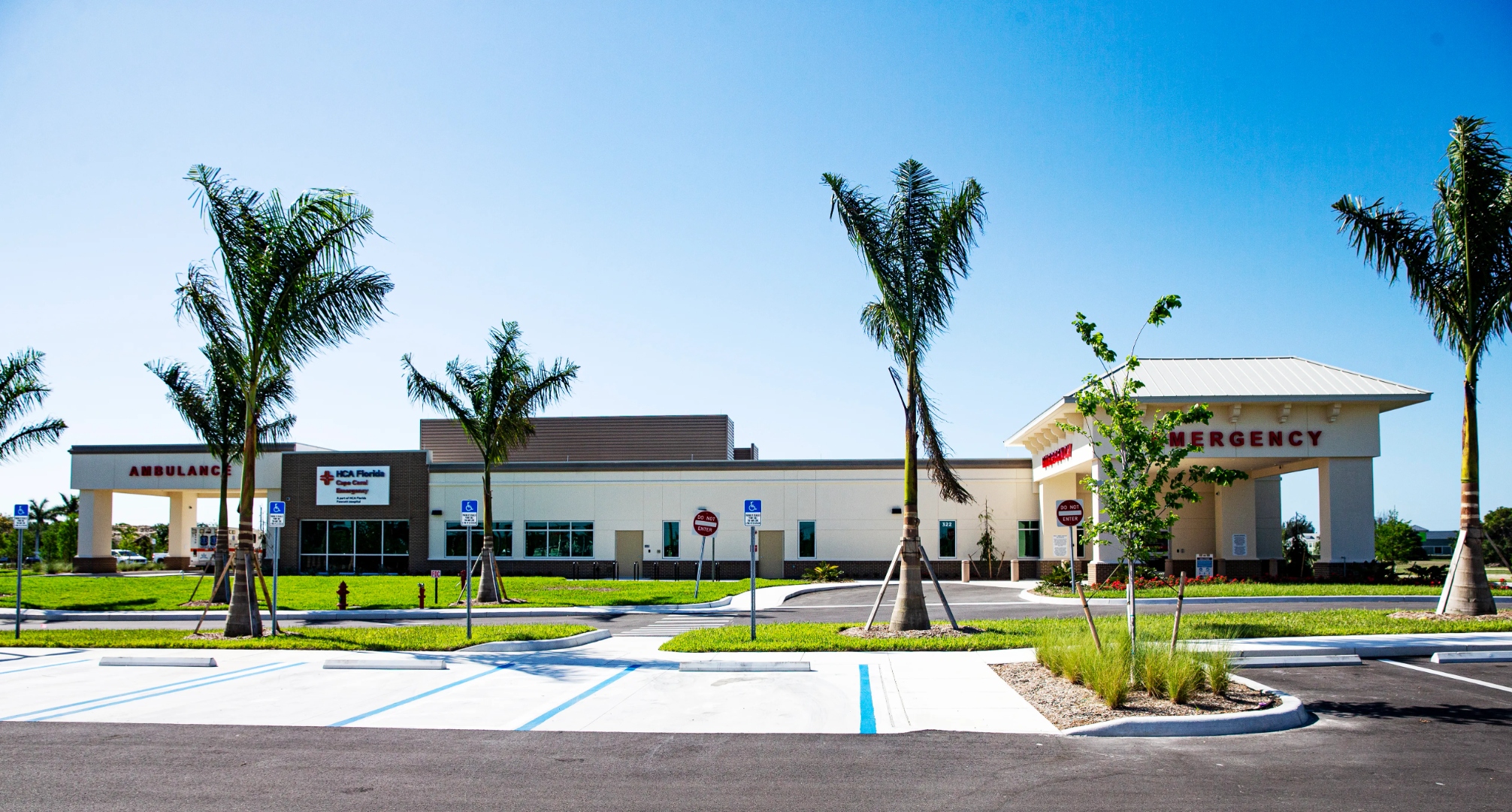
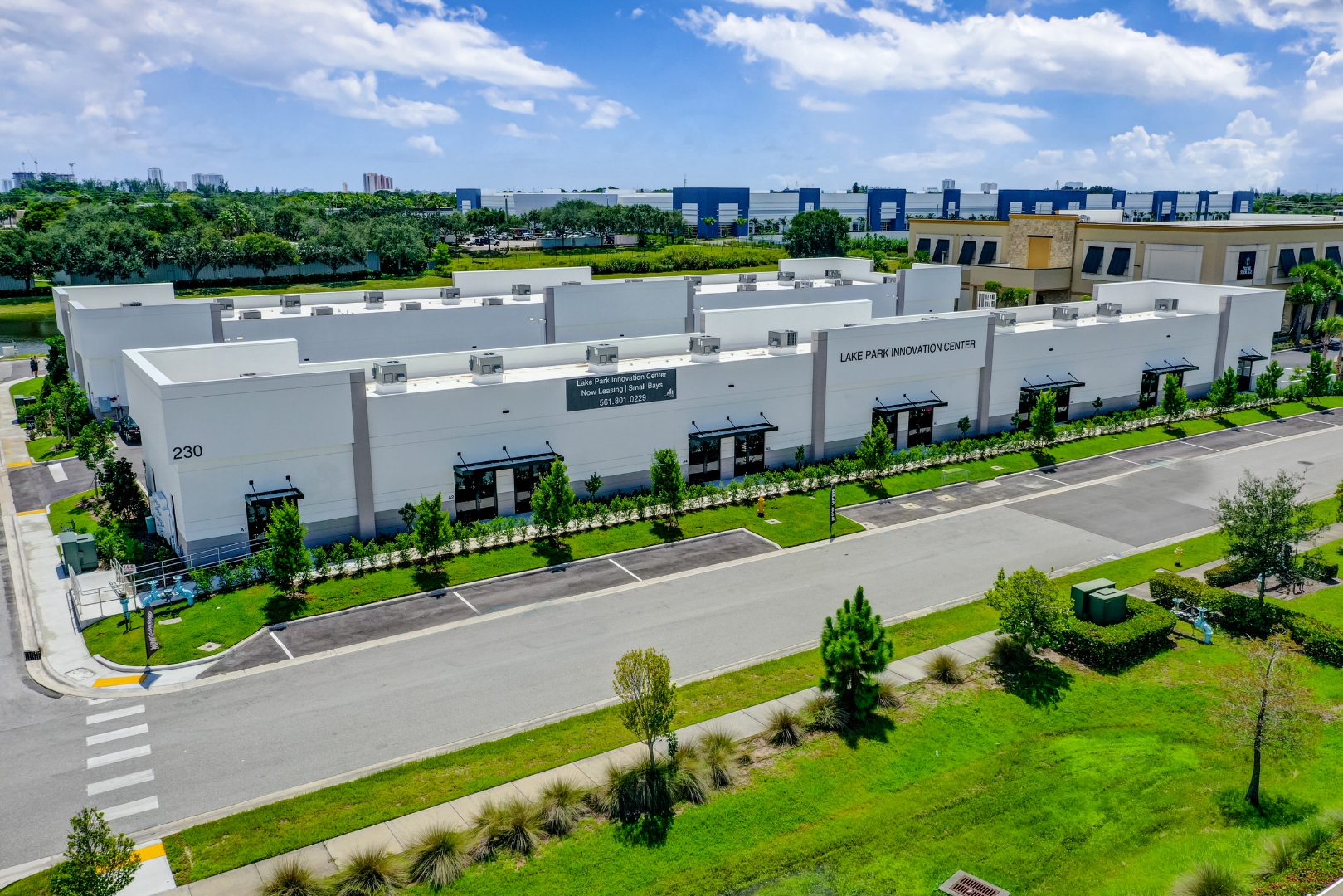
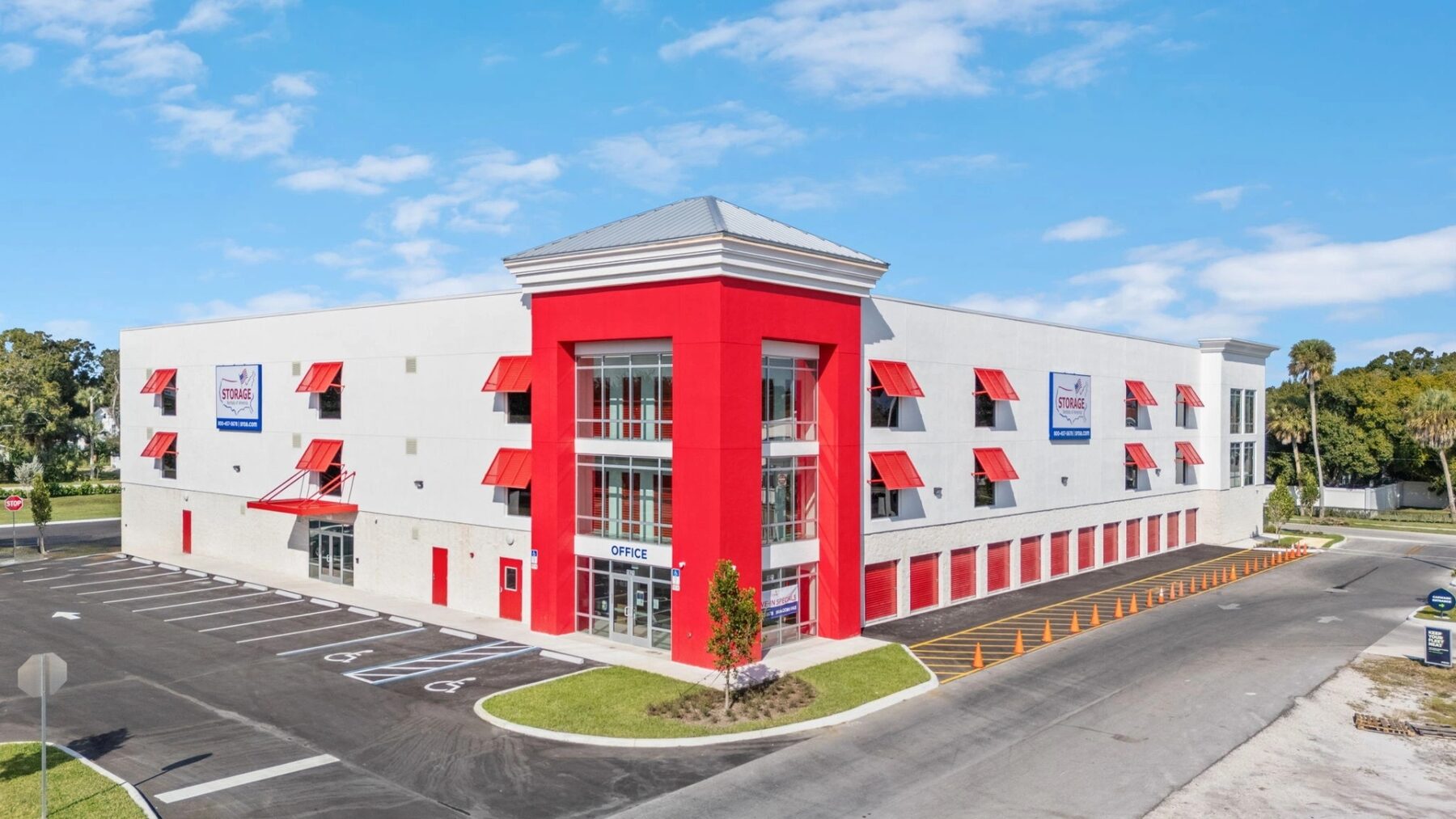
Three completed Florida curtainwall scopes, spanning healthcare, commercial/industrial, and self-storage construction.
Curtainwall FAQ.
What is the difference between curtainwall and storefront? +
Curtainwall is a non-load-bearing exterior cladding system that spans from floor slab to floor slab and transfers wind and gravity loads to the building structure through engineered anchors. Storefront is a lighter system that infills a single-story opening. Curtainwall is used on multi-story commercial buildings; storefront at grade-level openings. The structural performance requirements, engineering complexity, and cost difference between the two are significant.
How long does curtainwall installation take? +
For a typical mid-rise commercial building: submittal and engineering takes 8-14 weeks, material fabrication takes 10-18 weeks, and field installation takes 8-20 weeks depending on floor count. Total schedule from contract award to substantial completion is typically 28-40 weeks. ACG's scheduling provides milestone tracking tied to your master schedule from day one.
What curtainwall systems does ACG install in Florida? +
ACG installs PGT curtainwall and Euro-Wall glazing systems - as well as window wall configurations from multiple manufacturers. System selection is driven by the architect's specification, Florida wind load requirements, and project budget. All three have been delivered on completed Florida projects.
Does curtainwall require special engineering in Florida? +
Yes. Florida Building Code requires all curtainwall systems to carry a Florida Product Approval validating structural performance under the project's design wind pressures. In HVHZ (Miami-Dade and Broward counties), curtainwall must also meet Miami-Dade NOA requirements. ACG manages the full engineering and submittal process - shop drawings, product approval, PE coordination, and building department submissions.
Is ACG licensed and bonded for curtainwall work in Florida? +
Yes. American Commercial Glass holds Florida Certified General Contractor license CGC 1531993. Surety capacity is $3M single / $6M aggregate, and general liability is $1M per occurrence / $2M aggregate. Certificates and license documentation are provided on request.
Is ACG registered to bid government curtainwall work? +
Yes. ACG holds an active SAM.gov registration through 2027-07-17 under UEI QTQYMLLL9PS4 and CAGE code 234B0, registered under NAICS 238150 (glass and glazing contractors) and NAICS 423390 (construction materials). That makes ACG registered and qualified to bid federal, state and municipal curtainwall scopes.
More from ACG.
Curtainwall Installation
The full curtainwall service overview - stick-built, semi-unitized, and window wall systems from ACG.
Window Wall Systems
Window wall - the system that sits between curtain wall and storefront - and when it's the right choice.
HCA Cape Coral Emergency
PGT curtainwall at a healthcare facility in Cape Coral - submittals, engineering, and installation by ACG.
Florida Curtainwall Project?
Scope in 48 Hours.
Send your drawings. We return a complete curtainwall scope - system recommendations, Florida code compliance path, and a complete Division 08 scope breakdown - within 48 hours.
Send Us Plans