
ACG — Laminated Safety Glass Tennessee

Laminated Safety Glass for
Tennessee Commercial Projects

PVB, SGP, and acoustic laminated glass for Tennessee schools, hospitals, and government buildings — engineered to IBC 2018, ASTM E1300, and ANSI Z97.1. Connor reviews every Tennessee project personally.

Send Us Plans → Tennessee Glazing
What is laminated glass for Tennessee commercial buildings?

Laminated glass is two or more glass plies bonded to a plastic interlayer that holds fragments in place when broken. For Tennessee commercial buildings it delivers safety glazing, tornado-belt impact resistance, and sound control across schools, hospitals, and government work under IBC 2018 and ASTM E1300.

350+
Projects Delivered
2
Laminated Partners (ESWindows, Aldora)
115
mph Base Wind, Middle TN
48hr
Scope Turnaround
Why It Matters Here

Why Laminated Glass
Matters in Tennessee.

Tennessee sits inside the Dixie tornado belt. The state averages dozens of confirmed tornadoes a year and has logged some of the deadliest nighttime outbreaks in the country. Severe storms, straight-line wind, and wind-driven debris are a real design condition here — not a coastal afterthought. Laminated glass is the glazing answer when a building needs to stay closed against that load.

Middle Tennessee designs to an ASCE 7-16 base wind speed of roughly 115 mph (Vult) for standard Risk Category II construction, with higher values for essential facilities. Those design pressures drive glass thickness, interlayer selection, and frame anchorage. Laminated assemblies let you hit the required load while keeping the safety-glazing and sound-control behavior owners want.

IBC 2018 — the code Tennessee adopts with state amendments — pushes laminated and safety glazing into the building types ACG sees most: schools, hospitals, and government buildings. In those occupancies the cost of a glazing failure is measured in people, not panels, so the spec defaults to glass that holds together.

There is a second reason laminated glass keeps showing up on Tennessee spec sheets: it does more than one job. The same lite that satisfies a safety-glazing requirement also damps street noise, blocks the bulk of UV that fades interiors, and adds a measure of forced-entry resistance. On a Nashville mixed-use building, that means one product can answer the code requirement at the door, the acoustic requirement at the ground-floor restaurant, and the owner's security concern at the storefront — without three different glass packages.

Tennessee's severe-weather record is not theoretical. Middle Tennessee has absorbed repeated overnight tornado outbreaks, and recent deadly events in the Nashville and Cookeville corridor are still shaping how owners think about envelope resilience on schools and public buildings. When a district or a county writes a glazing spec today, “stays in the frame” is no longer an upgrade conversation — it is the starting point. Laminated glass is how that requirement gets built.

Code & Standards

Tennessee Code References.

01

IBC 2018

The International Building Code, adopted in Tennessee with state amendments. Governs safety glazing locations, occupant load, and structural glazing performance for commercial work.

02

ASTM E1300

The standard for determining load resistance of glass in buildings. Sets the structural performance basis for sizing laminated lites against Tennessee design wind pressures.

03

ANSI Z97.1

The safety glazing standard for impact performance in hazardous locations. Laminated glass is tested and labeled to this standard for doors, sidelights, and low glass.

04

CPSC 16 CFR 1201

The federal Consumer Product Safety Commission rule for architectural glazing materials. Category I and II impact ratings apply to hazardous locations in Tennessee buildings.

These four standards work together rather than in isolation. CPSC 16 CFR 1201 and ANSI Z97.1 govern whether a lite is safe in a hazardous location — the human-impact question. ASTM E1300 governs whether the same lite is thick enough to carry the wind load at that opening — the structural question. IBC 2018 ties both back to the occupancy and tells the designer where each requirement applies. A laminated build-up that passes the safety standards but is undersized for the Tennessee design pressure will still fail plan review, and a structurally adequate lite that lacks the right safety label will fail it for a different reason. ACG engineers every laminated assembly to the correct combination of all four for your Tennessee project and local authority having jurisdiction (AHJ).

For a deeper read on Tennessee code and licensing, see our Tennessee commercial glazing overview.

Required Locations

Where Tennessee Code
Requires Laminated & Safety Glazing.

IBC 2018 defines "hazardous locations" where glazing must meet safety standards. These are the places where a person is most likely to walk into glass, fall against it, or be standing under it — so the code requires glazing that breaks safely or, better, does not break apart at all. Laminated glass is the assembly that satisfies these locations while adding storm and acoustic performance the building can use everywhere else:

Schools — entrances, vestibules, and corridors in K-12 and higher-ed buildings
Hospitals and clinical facilities — patient-safety and impact-prone areas
Glazing in doors and the sidelights and panels adjacent to them
Wet areas — tubs, showers, and pool enclosures
Low glass near walking surfaces and at the bottom of stairs
Assembly occupancies — arenas, theaters, and convention space
Glass guardrails and balustrades on balconies and rooftops
Skylights and overhead or sloped glazing
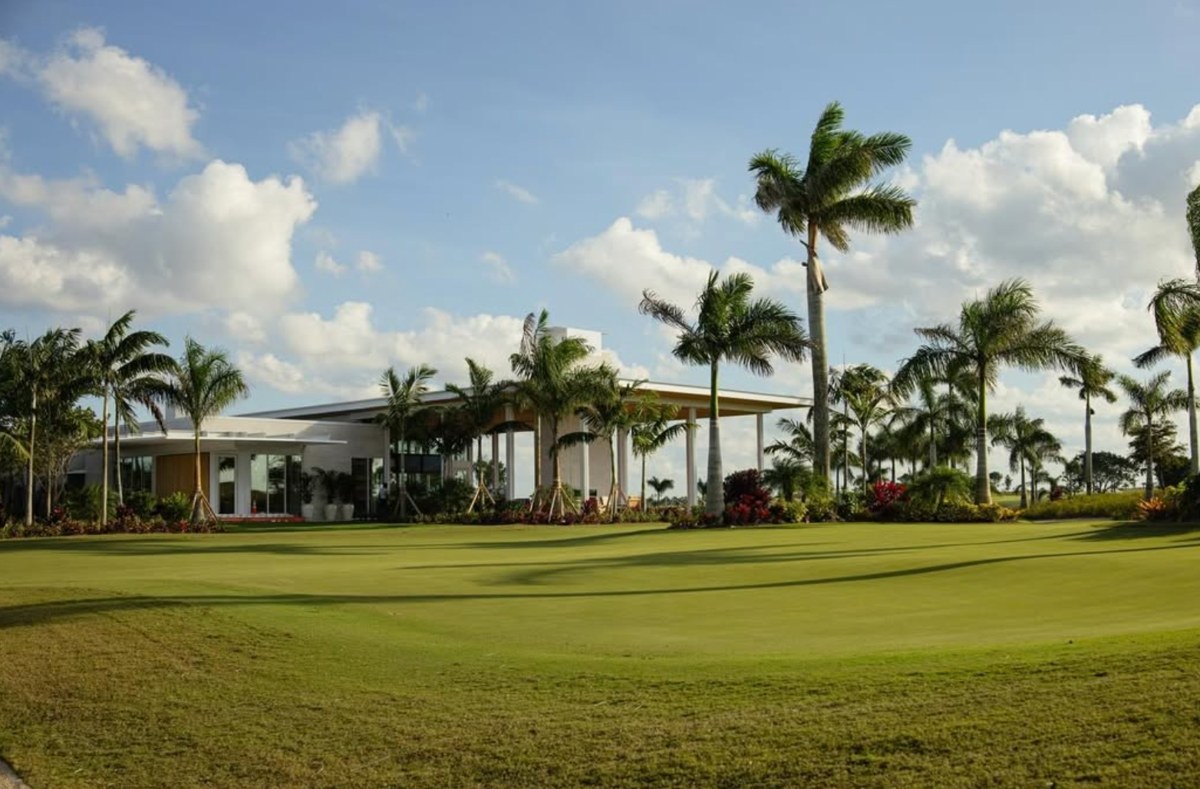
Wild Blue Clubhouse glazing — laminated safety glass application
Construction Types

Laminated Glass Build-Ups.

The interlayer defines what laminated glass does. Two lites of annealed, heat-strengthened, or fully tempered glass are bonded under heat and pressure to a plastic interlayer, and the choice of that interlayer is what separates a basic safety lite from a structural railing or an acoustic storefront. ACG specifies the right build-up for each Tennessee scope:

01

PVB

Polyvinyl butyral — the workhorse interlayer. Holds fragments, blocks UV, and meets safety glazing for the majority of Tennessee commercial work.

02

SGP Structural

SentryGlas ionoplast — roughly five times stronger and far stiffer than PVB. Used for glass railings, structural glazing, and high-load applications.

03

Acoustic PVB

A sound-damping interlayer that drops noise transmission for restaurants, mixed-use ground floors, and hotels near busy Nashville streets.

04

Hurricane-Rated

Impact-tested laminated build-ups ACG can source for the rare Tennessee high-wind or waterfront scope that calls for hurricane-grade performance.

The laminated lite is rarely the whole story. On most Tennessee commercial work it lives inside an insulating glass unit (IGU) — the laminated pane on one side, a sealed air or argon gap, and a second coated pane on the other — so the same assembly delivers safety, sound, and the thermal performance the energy code wants. Coatings, low-iron substrates, and the choice between heat-strengthened and fully tempered plies all get decided alongside the interlayer. Getting that stack right the first time is the difference between a clean plan-review submittal and a redesign, which is why ACG locks these decisions during pre-engineering rather than in the field.

Atlantic Fields Golf House glazing by ACG
ACG Capabilities

ACG's Tennessee
Laminated Capabilities.

ACG is an authorized installer for ESWindows and Aldora — the two laminated-glass partners behind our Tennessee work. That gives Tennessee GCs and architects a direct line to fabrication, not a reseller markup.

Laminated PVB and acoustic PVB for safety, sound, and security glazing
SGP structural laminated glass sourced for hurricane-grade and railing applications
Custom thicknesses to hit ASTM E1300 load resistance
Low-iron / Starphire options for high-clarity entrances and railings
Procore-native submittals, shop drawings, and field coordination

Florida HVHZ experience translates directly: ACG has delivered impact and laminated glazing on hurricane-zone projects, so the engineering discipline carries into Tennessee tornado-belt design. Just as important is how the work is run. Every laminated package moves through Procore — submittals, RFIs, and the schedule live in the same system your GC already uses, so glass selection, shop drawings, and delivery stay tied to the actual construction sequence instead of a generic lead-time guess. With 350+ projects delivered and a zero-OSHA-recordable record since the company was founded in 2021, the laminated scope shows up engineered, labeled, and on the schedule it was promised on.

Tornado vs Hurricane

Tornado Resistance Is
Not Hurricane Resistance.

Tennessee does not have a High-Velocity Hurricane Zone (HVHZ) like South Florida, and most Tennessee projects do not require Miami-Dade NOA products. But tornado-conscious design is increasingly common here — especially in schools, emergency operations centers, and public safety buildings that must stay operational after a storm.

The behavior that matters is the same: laminated PVB does not shatter into loose shards on impact. The interlayer holds the broken glass in the frame, keeping the envelope closed against wind-driven debris and protecting occupants inside. A breached window during a tornado lets pressure equalize inside the building, and that pressure spike is what lifts roofs and blows out walls — so keeping the glass in the opening protects far more than the opening itself.

That is why specifiers reach for laminated glass on Tennessee's most safety-critical buildings, even though the state's code does not mandate hurricane-rated products the way South Florida's does. The design driver here is the tornado and the severe-storm event, not the named hurricane — and the laminated lite answers both with the same physics. ACG's experience engineering impact and laminated assemblies for Florida's High-Velocity Hurricane Zone gives us the discipline to size and detail these systems correctly for Tennessee, where the loads are different but the stakes are identical.

From the Owner
“On a school or an EOC, the glass either stays in the frame or it doesn't. We engineer every laminated lite to the load and review every Tennessee project ourselves — because that's the difference between a panel and a person.”
Connor Walsh · President & Co-founder, American Commercial Glass
Tennessee Applications

Where Laminated Glass
Goes in Tennessee.

Across the Tennessee markets ACG follows its GC partners into, the same handful of building types account for most of the laminated-glass demand. These are the projects where the spec writer, the AHJ, and the owner all land on laminated for overlapping reasons — code, resilience, acoustics, and clarity:

01

Nashville Schools

Metro Nashville Public Schools require safety glazing throughout entrances, corridors, and assembly spaces — a default laminated application.

02

Tennessee Healthcare

Vanderbilt, HCA, Saint Thomas, and Ascension campuses use laminated glazing for patient-safety and impact-prone clinical areas.

03

State Government

State of Tennessee buildings follow Department of General Services (DGS) spec requirements that frequently call for laminated safety glass.

04

Restaurants & Mixed-Use

Ground-floor restaurants and mixed-use storefronts use acoustic laminated glass to control street noise in busy Nashville corridors.

05

Rooftop Guardrails

Glass guardrails on Nashville rooftop bars and terraces use SGP laminated glass to carry guardrail loads while staying transparent.

06

Public Safety & EOCs

Emergency operations centers and public safety buildings specify laminated glazing to keep the envelope closed after a severe storm.

ACG has delivered this exact category of work in Florida — the Haines City Public Safety Complex and EOC paired a police headquarters, a fire station, and an emergency operations center in a single hardened building, the type of essential facility that drives laminated glazing into Tennessee specs for the same reasons. That experience is portable: the occupancy logic, the safety-glazing detailing, and the manufacturer coordination move with the project, whether the design driver is a hurricane on the Gulf or a tornado in Middle Tennessee.

Specifier Checklist

What to Ask Your
Glazier.

Specifying laminated glass for a Tennessee project is mostly a matter of asking the right questions early, before the spec is locked and a change order is the only way to fix it. The questions below separate a glazier who will engineer the assembly from one who will simply order what the architect drew. Our glazing spec checklist walks through the full set:

Which interlayer — PVB, acoustic PVB, or SGP — matches the performance the project actually needs?
Is the glass sized to ASTM E1300 for the Tennessee design wind pressure at this site?
Are hazardous-location lites labeled to ANSI Z97.1 and CPSC 16 CFR 1201?
Does the AHJ require specific safety glazing in this occupancy beyond IBC defaults?
For railings, is SGP specified so the glass carries guardrail load after breakage?
Is low-iron / Starphire glass needed for clarity on entrances and feature walls?
Does the glazier source from authorized manufacturers and run submittals in Procore?

Building in Middle Tennessee?

Send us your plans. Connor reviews every Tennessee project personally and returns a detailed laminated-glass scope — interlayer, thickness, code basis, and Division 08 breakdown — within 48 hours.

Send Us Plans → View Capabilities

Related: Tennessee commercial glazing · Nashville · Preglazed systems