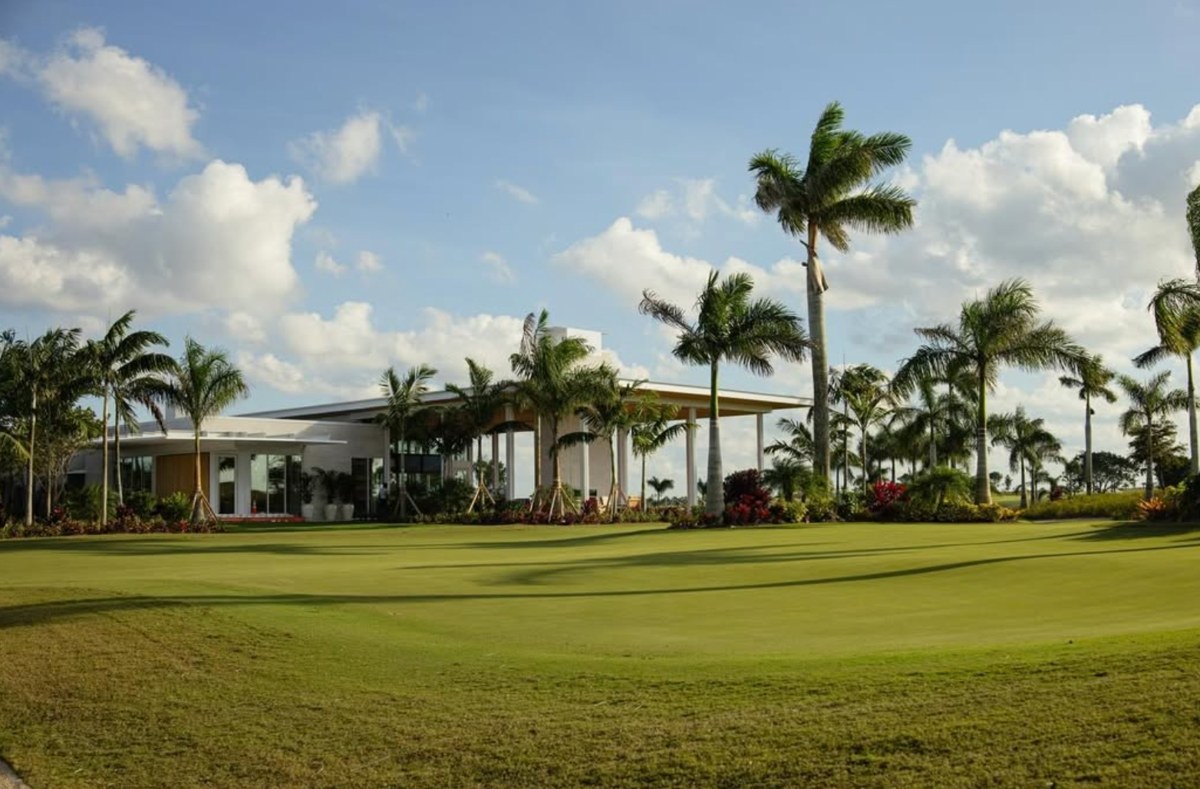
Schools. Universities. Government facilities. Public buildings. ACG delivers the full commercial glazing scope with the scheduling precision and code expertise that public-sector construction requires.
Florida invests more in K-12 school construction than almost any other state — driven by population growth, aging facilities, and state capital outlay funding cycles. The educational construction market is significant, consistent, and heavily regulated. The same is true of university campus construction and government facility work.
For a glazing contractor, educational and institutional projects are technically demanding in ways that standard commercial construction isn't. The code requirements are layered — Florida Building Code, IBC, the Florida Department of Education's Office of Educational Facilities (OEF) review for public schools, and in some cases federal standards for federally funded facilities. Fire-rated assemblies appear at every rated separation. Impact requirements apply throughout coastal and high-wind areas.
Beyond the code complexity, the scheduling constraints are different. Schools are occupied facilities. Universities don't shut down for construction. Government buildings stay operational. A glazing sub that can't work around class schedules, coordinate with security for access, and sequence installation to avoid disrupting occupied areas doesn't belong on these projects.
New high school campus construction in Martin County — full glazing scope including impact-rated storefront systems, fire-rated assemblies at rated corridor separations, and exterior windows throughout the academic buildings. Complete submittal package produced for FDOE OEF plan review.
School construction rarely happens in empty buildings. Whether it's a new wing addition adjacent to occupied classrooms, a summer-window renovation, or a phased campus modernization, the glazing scope must be sequenced around occupancy constraints. ACG's AI-managed scheduling maps installation phasing against the project's occupancy calendar — not just the GC's master schedule.
Florida's Building Code requires fire-rated glazing assemblies at corridor separations (typically 20-minute rated), stairwell enclosures (60-minute), and hazardous area separations. TGP SuperLite I and SuperLite II-XL are the systems ACG installs for these applications — both the glass and the rated frames, tested and listed as a complete assembly. Partial installations or substitutions void the rating.
Florida's wind-borne debris map (FBC Section 1609 wind speed zones) applies to school construction the same as any other commercial building. In coastal counties, all exterior glazing must be impact-rated or protected by a tested shutter/protection system. For schools in high-velocity hurricane zones — anything in Broward or Miami-Dade — HVHZ product approval (Miami-Dade NOA) is required.
Post-Sandy Hook, Florida public school design standards have increasingly incorporated forced-entry-resistant glazing at main entrances, administrative areas, and vestibule systems. Laminated security glazing — rated to UL 972 burglary-resistance standards or higher — is now a standard feature on Florida school projects. ACG specifies and installs security glazing as part of the entrance system, not as an afterthought.
Educational facilities under ADA and Florida accessibility code have specific glazing requirements — door hardware clearance, maneuvering clearances, vision lites at inaccessible height ranges, and automatic entrance requirements at primary accessible entrances. ACG's shop drawings are reviewed for ADA compliance as part of the standard submittal process.
Florida public school projects require plan review by the Department of Education's Office of Educational Facilities in addition to county building department review. The OEF review process has its own timeline and documentation requirements. ACG has produced submittal packages for OEF-reviewed projects — the package has to be complete enough to survive two concurrent reviews without revisions.
ACG's educational and institutional experience spans the full range of Florida public-sector construction. New school campuses involve large storefront scopes at main entrances, impact-rated windows throughout classroom wings, fire-rated assemblies at rated corridors, and security glazing vestibules at controlled entry points.
University campus construction adds another dimension: larger buildings, more complex curtainwall and window wall applications, campus aesthetic standards that often require specific glass configurations, and construction administration processes involving university facilities departments alongside the GC and architect.
Government facility projects — municipal buildings, county courthouses, public safety facilities, libraries — typically involve competitive public bid processes, DBE/MBE subcontracting requirements, and often extended review timelines through state or county procurement review. ACG's experience in these environments means the administrative requirements don't create surprises during construction.
Florida school construction typically requires impact-rated windows and doors meeting FBC Section 1609 wind-borne debris requirements, fire-rated assemblies at corridor separations and stairwells, and security glazing at vestibule entrances and administrative areas. The FDOE OEF review process adds a documentation layer beyond the standard county building department review. ACG produces complete submittal packages for both the OEF review and county plan review, ensuring both processes run in parallel without conflicts.
Yes, and this is a core competency for educational work. ACG sequences installation phasing around academic calendars — summer construction windows, weekend work restrictions, noise-sensitive areas adjacent to occupied classrooms, and contractor access protocols through school security checkpoints. Our AI-managed scheduling maps installation sequences against occupancy constraints explicitly, not as an afterthought when the field conflicts arise.
ACG installs TGP (Technical Glass Products) fire-rated systems — SuperLite I (up to 3-hour rating) and SuperLite II-XL (up to 2-hour with radiant heat protection). These systems are UL-listed as complete assemblies — glass, frame, and hardware — which matters for inspection compliance. We install the complete fire-rated assembly, not just the glass pane, ensuring the tested assembly configuration is maintained.
Yes. ACG works on government facility projects including municipal buildings, county facilities, public safety buildings, and state government construction throughout Florida. Government projects often involve competitive bid requirements, DBE/WBE subcontracting documentation, prevailing wage requirements, and extended permit review timelines. ACG's experience in public-sector construction means these administrative requirements are anticipated and managed — not discovered mid-project.
Educational and institutional glazing requires a sub that understands OEF review, occupied-facility scheduling, fire-rated assemblies, and security glazing — not just aluminum and glass. Send your plans and we'll have a scope back in 48 hours.
Send Us Plans