
#1531993
WPB HQ
FL Offices
Hours
Crews
· Tampa
Florida’s two impact-code paths
Florida uses two distinct compliance paths for impact-rated assemblies:
HVHZ (Miami-Dade & Broward)
The High-Velocity Hurricane Zone - the highest level of code in the United States. Every assembly must hold a Miami-Dade Notice of Acceptance (NOA), proving it passed Large Missile Impact, cyclic-pressure testing, and water resistance per ASTM E331/E547. NOAs are assembly-specific - frame + glass + anchorage must be tested together.
Florida Product Approval (FPA) - rest of state
Outside HVHZ, Florida uses statewide product approval. The testing protocol is similar but less restrictive. FPA-listed assemblies are searchable in the Florida Building Commission database. Wind zones range from 130-180 mph design wind speed depending on AHJ.
When impact rating is required
Required by code for any opening in the building envelope within HVHZ, and in wind-borne debris regions across the rest of FL (typically within 1 mile of coast or specific permit areas). Most commercial work in coastal Florida specifies impact-rated assemblies whether code-required or not.
Manufacturer authority
| Manufacturer | Commercial line | Specialization |
|---|---|---|
| ESWindows / Tecnoglass | ES7000, ES8000T, ES-6500, ES-9000 | Curtainwall, window wall, sliding doors, entries |
| Euro-Wall | Vista Multi Slide, Vista Fold, Vista Pivot, DirectSet | Folding, sliding, pivot doors, storefront |
| PGT | WinGuard Aluminum | Light commercial, mixed-use, multifamily |
| Allegion | Commercial impact hardware | Egress, panic, locking |
| TGP | Fire-rated HVHZ assemblies | UL-listed HVHZ + fire-rated combo |
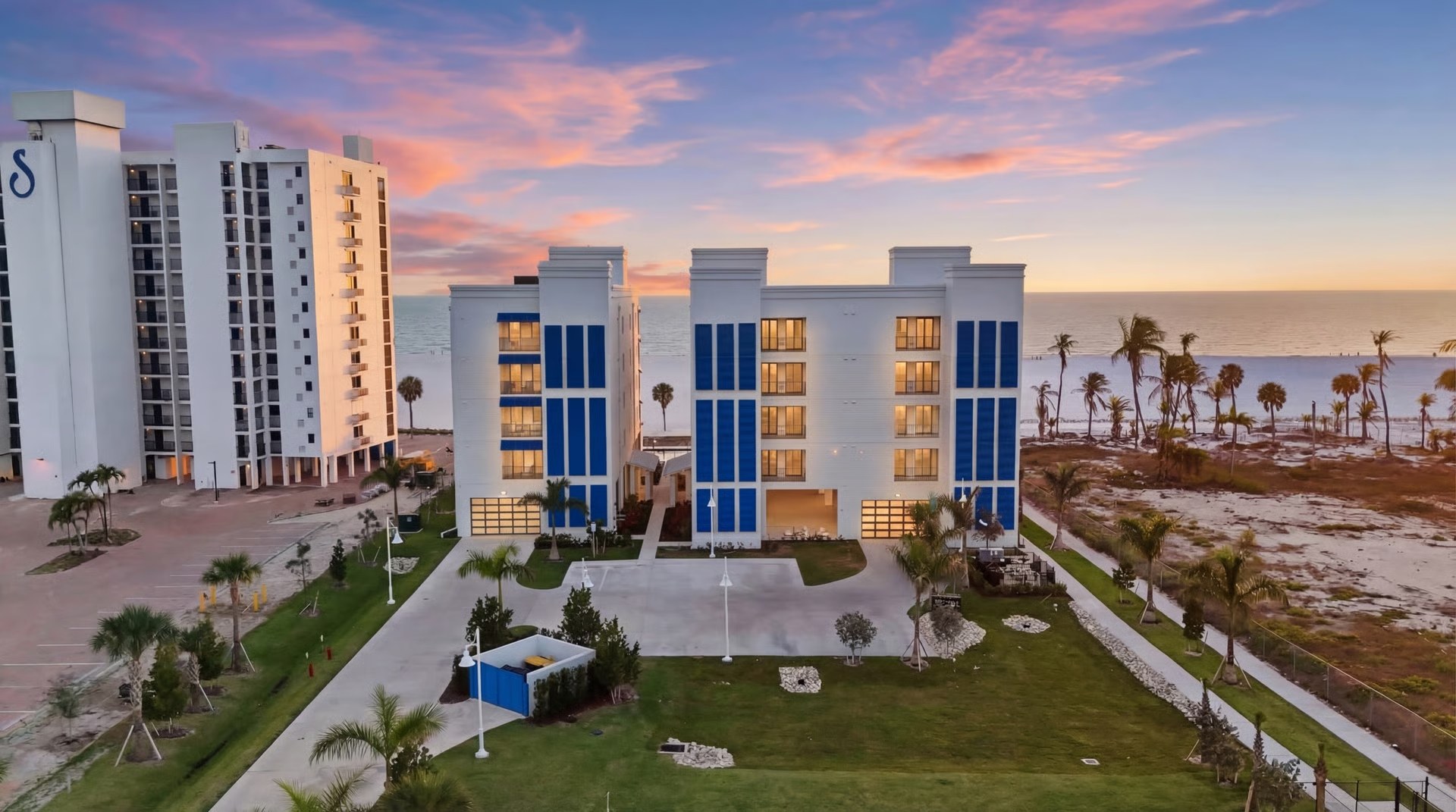
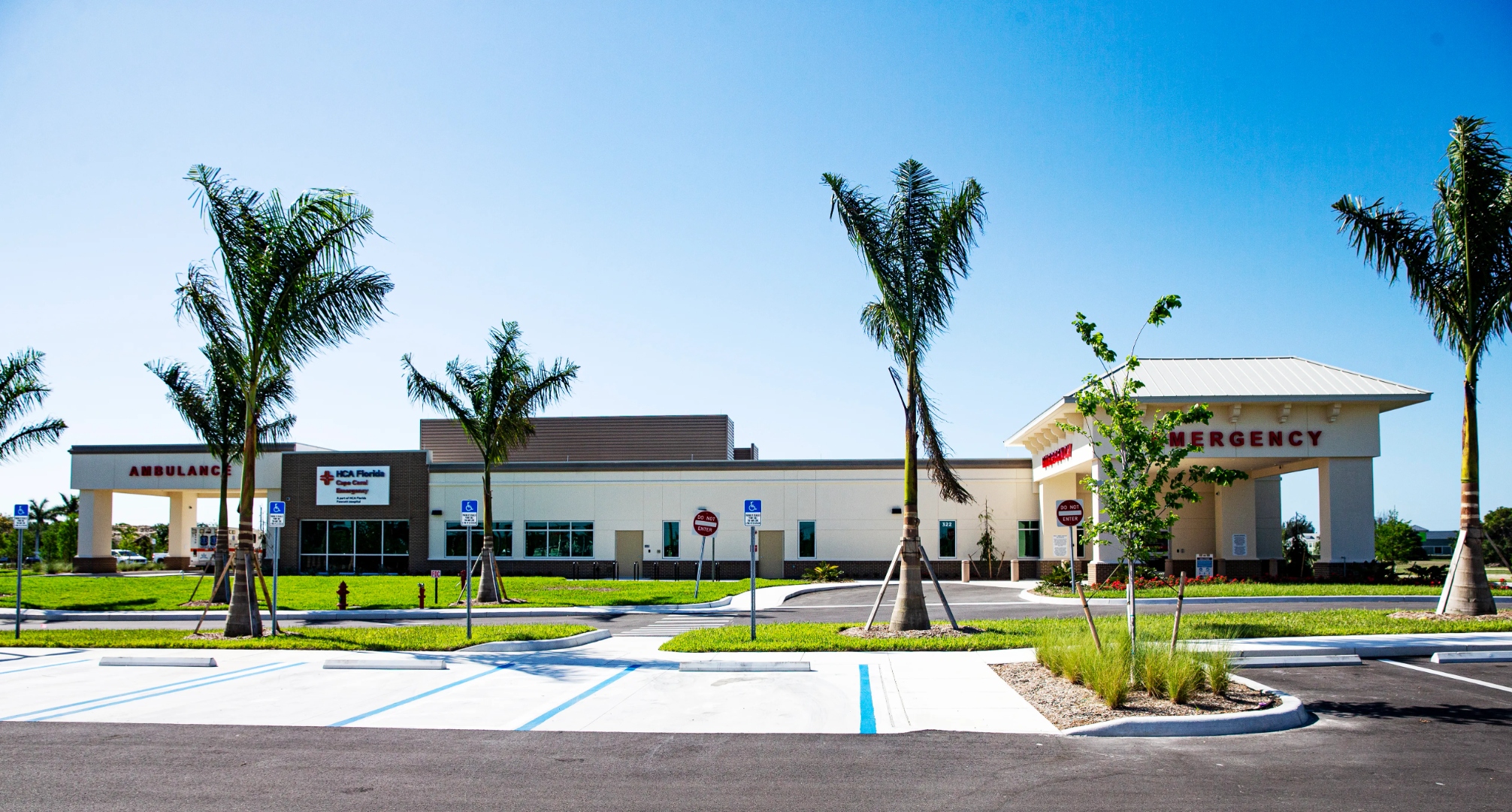
Selected impact glazing projects
Two completed Florida commercial projects using impact-rated assemblies described above.
Frequently asked questions
What’s the difference between impact glass and laminated glass?
All impact glass is laminated, but not all laminated glass is impact-rated. Impact-rated glass uses a thicker interlayer (typically 0.090″ PVB or 0.060″ SentryGlas) and must pass Large Missile Impact testing in a specific frame.
What’s the difference between Large Missile Impact (LMI) and Small Missile Impact (SMI)?
LMI = 9-pound 2x4 fired at 50 ft/sec; required below 30 ft elevation. SMI = 30 steel balls fired at 130 ft/sec; required above 30 ft. NOAs are typically listed for one or the other.
Do I need impact glazing for a commercial project in Florida?
Yes if you are inside HVHZ or in a wind-borne debris region. The AHJ determines applicability based on parcel location and wind zone. Send drawings and we’ll confirm code path.
Related ACG resources
Have a project?
Send drawings to ACG. We’ll review system selection, code path, and budget - no charge. Florida CGC #1531993.