
For CRE investors and property owners, the question about a glazing upgrade is not whether the new glass looks better - it is whether the capital goes in at an IRR that beats alternative uses of the same dollar. Florida commercial envelope upgrades, when specified and timed correctly, consistently produce returns well above typical building improvement hurdle rates, through a combination of insurance premium reduction, energy NOI improvement, tenant rent premium on modernized space, and insurance claim history improvement. This article walks through those four mechanisms at the numbers we see them play out in 2026 Florida commercial, with a worked example that shows the stacking effect on a realistic property.
The CRE Investor View of Glazing Upgrades
For a commercial real estate investor, a glazing upgrade is a capital improvement that needs to generate return - through one or more of four mechanisms: insurance premium reduction, NOI improvement via energy savings, tenant rent premium for modernized space, and reduction in insurance claim history and loss volatility. The four mechanisms stack. A properly specified envelope upgrade can deliver on all four simultaneously, which is why well-timed glazing capital on a commercial property frequently produces IRR well above typical building upgrade hurdle rates. This article lays out the four return mechanisms and walks through a worked example at realistic numbers for 2026 Florida commercial.
Mechanism 1: Insurance Premium Reduction
Florida commercial property insurance carriers offer wind mitigation credits on buildings with code-compliant impact-rated glazing and documented envelope upgrades. Typical credit ranges for a commercial property transitioning from non-impact (or older-generation impact) glazing to current FBC 8th Edition impact-rated systems:
- Additional credits for documented wind-mitigation inspection and OIR-B1-1802 certification
Insurance pricing has tightened substantially in Florida over the past five years. Carriers increasingly require impact-rated glazing as a condition of coverage, not a credit. For properties still carrying non-impact or older glazing, the question is not whether to upgrade but when the renewal requires it.
Mechanism 2: Energy NOI Improvement
Commercial glass is often the single largest energy loss component in a building's thermal envelope. Modern low-E impact IGUs with good SHGC and U-value performance can reduce HVAC cooling loads by 20-35% compared to older single-pane or low-performance insulated glass. For Florida, where cooling is the dominant load, the savings show up as meaningful reductions in utility operating expense.
The capital gain on NOI flows through valuation at the property's cap rate.
Mechanism 3: Tenant Rent Premium for Modernized Space
Tenants pay for Class A experience. Modernized glazing - larger glass openings, better natural light, better views, modern storefront systems - is part of that experience. Commercial office and retail tenants in Florida markets consistently pay rent premiums for modernized space over tired 1990s-vintage envelope.
Rent premium ranges observed on recent Florida upgrades:
- Hotel and hospitality (envelope-driven guest experience upgrade): meaningful ADR improvement where confirmed
These premiums stack with the operating expense reductions from Mechanisms 1 and 2.
Mechanism 4: Insurance Claim History Improvement
Properties with repeated wind-related insurance claim history carry higher premiums, face coverage restrictions, and eventually become uninsurable at commercially reasonable terms. Impact-rated envelope upgrades that protect the building through active hurricane seasons reduce claim frequency and severity. Over a 5-10 year hold, that claim history improvement translates to materially lower insurance cost at renewal and stronger refinancing terms.
This is the least visible of the four mechanisms - it shows up in insurance underwriting decisions rather than on the T-12 directly - but it is often the difference between a property that can refinance and sell cleanly and one that struggles with insurability issues.
Worked Example: 2026 Florida Commercial
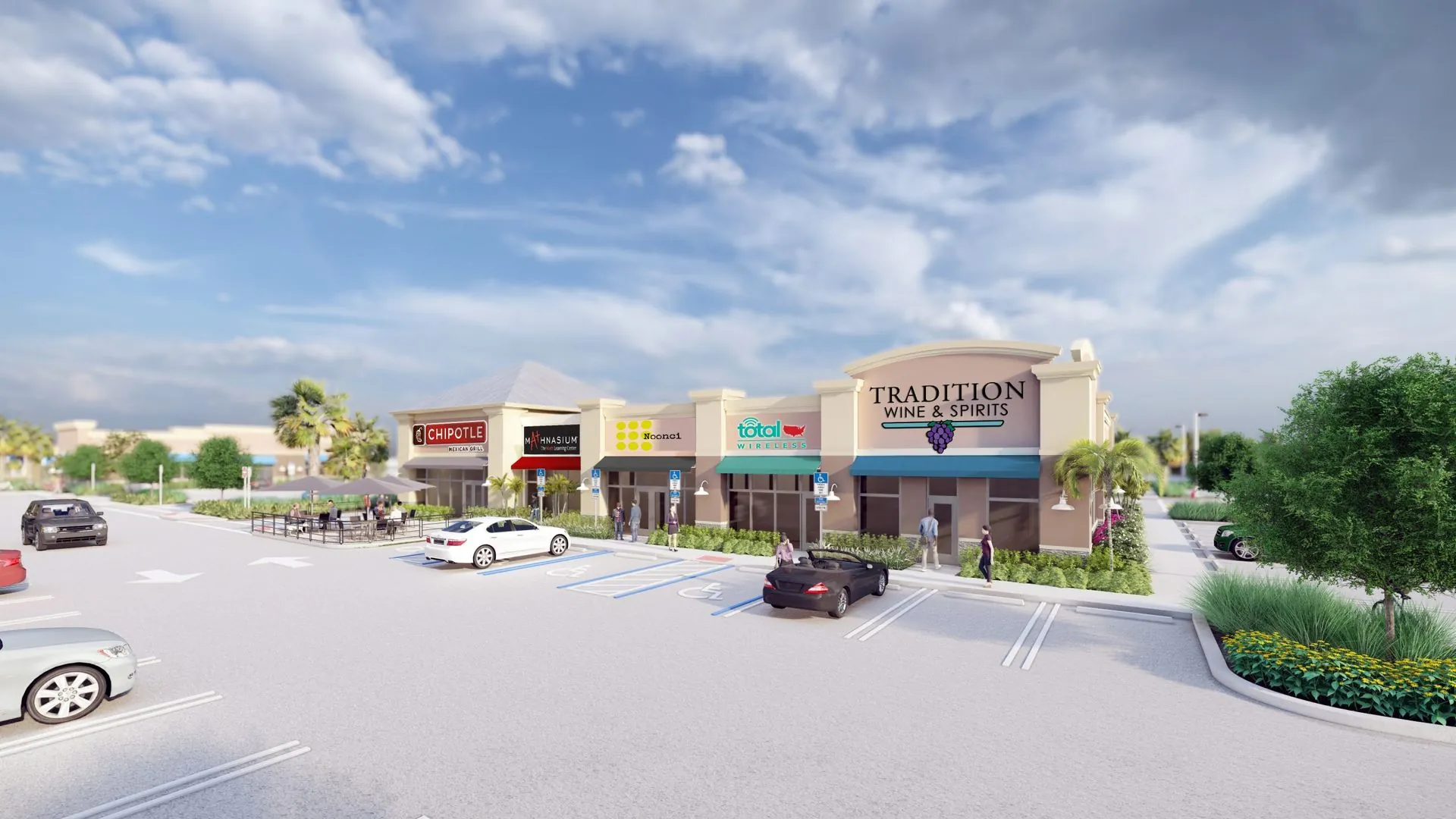
Consider a 60,000 SF mixed-use retail and office building in Palm Beach County, built 1998, with non-impact aluminum storefront and single-glazed IGU upper-level windows. Current T-12 reflects:
Envelope upgrade scope:
- Full ground-floor storefront replacement with ESWindows ES-8000 impact-rated pre-glazed storefront
- Upper-level window replacement with impact-rated commercial windows
- Perimeter sealant and flashing restoration
Projected outcomes:
| Mechanism | Annual Impact | Valuation Impact (6% cap) |
|---|---|---|
| Insurance premium reduction (12%) | +$29K NOI | +$480K |
| HVAC utility savings (15%) | +$27K NOI | +$450K |
| Rent premium from upgraded envelope | +$144K gross / ~$108K NOI | +$1.8M |
| Claim history improvement | Insurability preservation | Harder to quantify, material |
| Total measurable impact | +$164K NOI | +$2.73M |
The numbers are specific to this example building and market, but the general pattern holds across Florida commercial: well-specified envelope upgrades typically produce 5-15x valuation lifts on reasonable capital inputs, driven primarily by the rent premium and insurance mechanisms.
What Makes a Glazing Upgrade Pencil Well
Not every glazing project produces these returns. The patterns that consistently work:
Timing Aligned With Repositioning
Glazing upgrades during a broader repositioning - when tenant rollover creates re-leasing opportunity - capture the rent premium mechanism. Upgrades on a fully leased building with long remaining lease terms cannot capture rent premium until tenants roll.
Scope That Matches the Market Position
Class B-to-A repositioning needs envelope work that actually reads Class A. Cheaper partial upgrades do not shift tenant perception enough to capture the rent premium. Full ground-floor storefront replacement, consistent modern aluminum finish, appropriate glass color and reflectivity - the full aesthetic package matters.
Building Age in the 20-40 Year Range
Buildings from the 1980s through mid-2000s often have envelope systems that are functionally adequate but aesthetically and energy-wise dated. These are the strongest upgrade candidates. Newer buildings (under 15 years) usually do not justify envelope replacement. Older buildings (50+ years) often need structural work that expands scope beyond glazing.
Florida Insurance Cycle
Florida commercial insurance pricing has tightened each of the last five renewal cycles. Properties that upgrade during a tight market capture immediate premium reductions. Properties that defer face premium increases plus eventual required upgrades - both of which compound the total cost of waiting.
Differentiating From Owner-Occupied Valuation
Owner-occupied properties (where the building owner is also the operating business) capture some but not all of these mechanisms. Insurance, energy, and claim history apply; rent premium does not flow unless the building is refinanced or sold. For a broader look at the owner perspective, see our how commercial glass adds property value article. The investor-focused framing in this article assumes the building is held as income property with periodic refinance and eventual disposition.
Scoping the Right Upgrade
The right envelope upgrade scope depends on building condition, leasing strategy, and capital availability. ACG works with CRE owners and investors across Florida on envelope repositioning - from full building envelope replacement to targeted ground-floor storefront refreshes that anchor a broader upgrade cycle. Five years active, headquartered in West Palm Beach.
For deeper context on the capital and operating side, see our articles on energy-efficient commercial glass, hurricane impact windows, and the full 2026 commercial glazing pricing guide.
Ready to get started?
ACG is a CGC-licensed Florida commercial glazing subcontractor (CGC1531993) headquartered in West Palm Beach. Commercial Division 08 scope, statewide. Send plans and we return a detailed scope with system recommendations and 2026 pricing inside 48 hours.